High-Calorie Snacks That Are Surprisingly Addictive
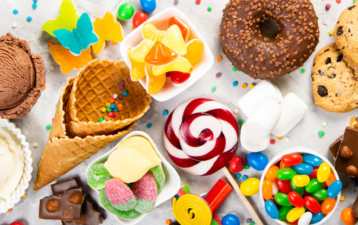
There are many types of addictive foods. They often contain ingredients that stimulate the brain to release neurotransmitters like dopamine, leading to feelings of pleasure and satisfaction. Sweets like candy and chocolate are alarmingly high in calories—400-500 calories per 100 grams. Studies have found that eating sugary foods activates the brain's "reward switch," and over time, dopamine receptors become "desensitized," leading to cravings that feel addictive. Even more problematic, the fructose in sweets goes directly to the liver, helping to synthesize visceral fat, which is more detrimental to health than subcutaneous fat. If you crave them, choose low-calorie sugar substitutes to satisfy your sweet tooth without burdening your metabolism. Baked goods like egg tarts and cream cakes are a "perfect combination" of fat and sugar.
- Chocolate: Chocolate contains ingredients like theobromine, caffeine, and sugar, which stimulate the brain's release of dopamine, producing a feeling of pleasure. Furthermore, the fat and sugar in chocolate provide energy and a sense of satisfaction, making it addictive.
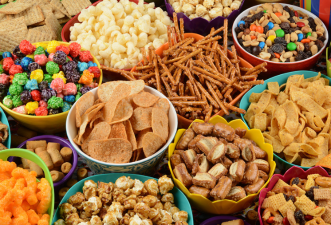
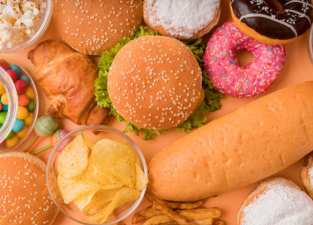
- Salty snacks like potato chips and French fries: These snacks are often high in salt, fat, and calories, stimulating the taste buds and providing energy, leading to feelings of satisfaction and pleasure. Furthermore, high salt and fat levels increase the taste and appeal of foods, making them addictive.
- Sugary foods like ice cream and desserts: The sugar in these foods stimulates the brain's release of dopamine, producing a feeling of pleasure. Furthermore, the fat and protein in ice cream and desserts provide energy and a sense of satisfaction, making them addictive.
- Coffee and tea: Coffee and tea contain ingredients like caffeine, which stimulate the central nervous system, increasing concentration and alertness while also producing a sense of pleasure. Although caffeine's addictive potential is relatively low, long-term, high-intake consumption can lead to dependence and addiction.
- High-fat foods such as cheese, hamburgers, and pizza: The high fat and calorie content in these foods provides energy and a sense of satisfaction, making them highly addictive. Furthermore, certain components in cheese (such as casein) can stimulate the release of dopamine in the brain, producing a sense of pleasure.